
This October, LGBT History Month invites us to celebrate the role models, civil rights milestones, and courageous community builders who created sanctuaries when traditional systems turned away. For over five decades, Victory Programs has met that call—weaving LGBTQ+ advocacy, health equity, and radical hospitality into the very fabric of our daily care.
Long before gender-affirming care became a national conversation, Victory Programs opened its iconic red doors to populations marginalized by mainstream healthcare. As highlighted in our recent feature article, A Legacy of Unconditional Care: Preserving the History of the Boston Living Center, that foundation was forged during the height of the 1980s HIV/AIDS epidemic. The piece honors early pioneers like former BLC Executive Director Leah Camhi, who insisted on real glass plates and etched privacy windows to restore dignity to members, and nurse Pat Daoust, who famously walked out of her job in 1985 when a facility refused care to a dying young man with AIDS. Their stories, also documented in The Women Who Stayed podcast hosted by Nicole Pascarelli O’Brien, established the clinical moral compass that continues to guide our agency today—a belief echoed by current BLC Program Director Aron Thiim, who reflects that while a hot meal often brings people in, “the relationships built around it are what make so much else possible.”
Adapting to What Boston Needs
Victory Programs’ history has never been static; our care model evolves continuously in response to community needs and emerging gaps. That legacy of listening directly to residents paved the way for a pivotal transformation in our residential recovery continuum.
Agency-wide, a culture of acceptance has long been the standard, with programs like Victory House earning a reputation for being inclusive and welcoming to gay, bisexual, and transgender clients. However, across the broader regional landscape, addiction treatment remained strictly binary, leaving transgender and non-binary individuals with very few options designed specifically for their recovery journeys.
Around 2022–2023, Victory Programs leadership noticed a distinct operational shift: men’s residential recovery programs were operating with long waitlists, while women’s programs experienced a 3:1 referral imbalance favoring men. Concurrently, staff noticed that transgender women entering traditional binary women’s homes were struggling to complete programs, often leaving early or choosing men’s facilities simply to avoid feeling targeted or misunderstood.
Recognizing an opportunity to better serve the community, Program Director Walter Kikuchi and Clinical Supervisor Christine Mitrano championed a strategic transition. Supported by executive leadership, Victory Programs pivoted New Joelyn’s Home (NJH) into a specialized, all-inclusive residential recovery home for cisgender women, transgender women, transgender men, non-binary individuals, gender-expansive individuals, and gay, bisexual, and queer cisgender men.
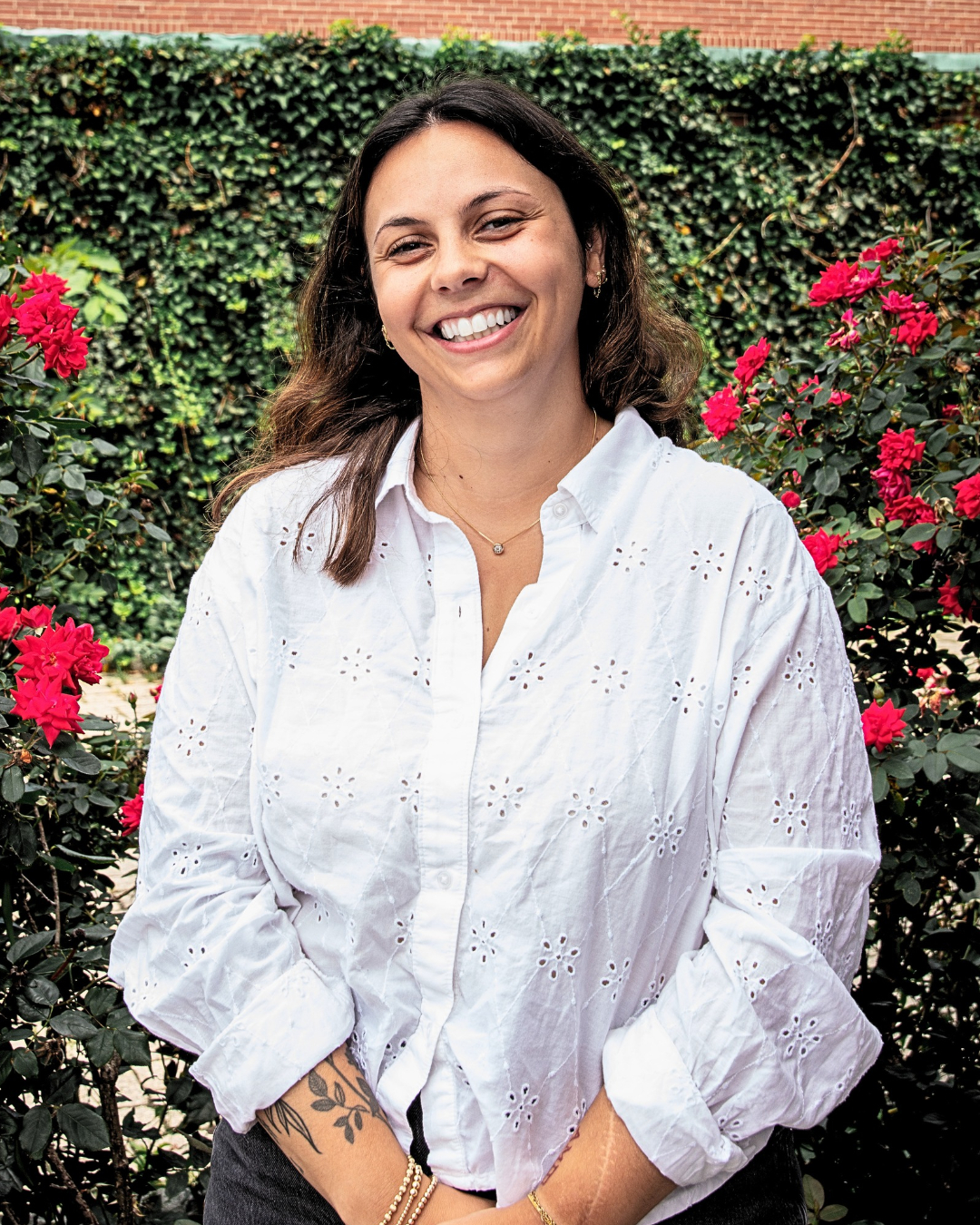
As Christine reflects, seeing New Joelyn’s adapt shows how Victory Programs listens and responds to what Boston needs—shifting away from traditional, rigid treatment models where care was delivered “like dominoes in a row” toward an individualized environment where alumni even return to do their recovery in a new, affirming space.
Dropping the Mask: Genuine Safety in Early Recovery
The transition at New Joelyn’s Home did more than open beds—it fundamentally transformed the therapeutic environment. For many residents, stepping through the red door at New Joelyn’s is the very first time in their lives they can focus on healing without defending their pronouns, explaining their identity, or hiding who they are.
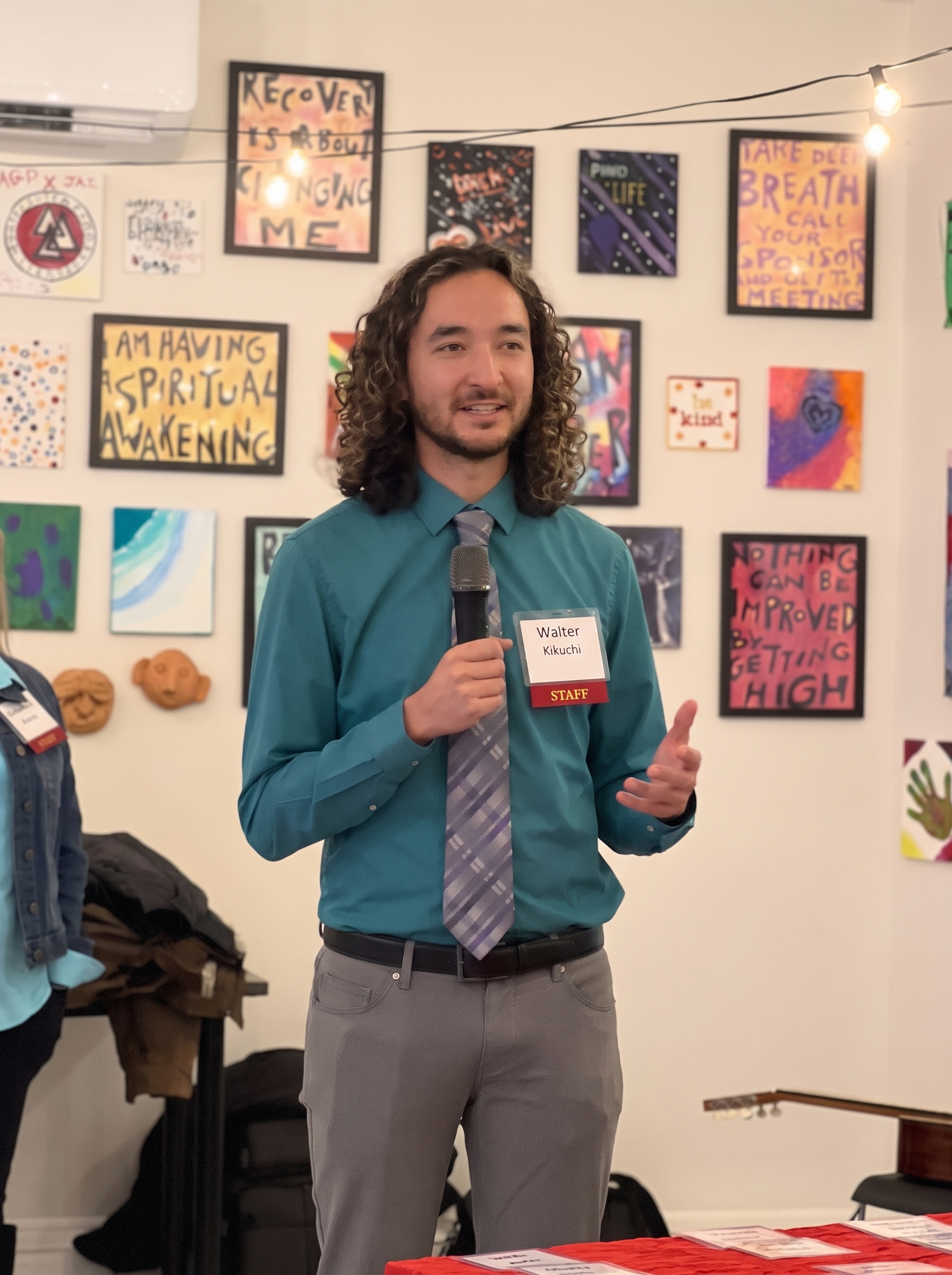
In early recovery, clients often describe the exhausting necessity of “wearing a mask” or performing compliance just to survive institutional settings. At New Joelyn’s Home, the absence of moral judgment allows residents’ nervous systems to truly settle. As Christine explains, many clients share that New Joelyn’s is “the first place I felt like I could be myself… the first place I feel safe,” giving them the freedom to drop the mask, be exactly who they are, and discover themselves even more deeply. This sense of authentic safety allows residents to engage in evidence-based trauma modalities like Seeking Safety and Creating Change, addressing co-occurring PTSD and substance use disorder in tandem rather than treating addiction in isolation.
Specialized Staff Training & Community Alignment
Creating a genuinely affirming recovery environment requires ongoing learning and specialized clinical focus. At New Joelyn’s Home, staff onboarding includes continuous education on LGBTQ+ cultural competency and the specific nuances of substance use within marginalized communities.
Clinically, clinicians and counselors receive targeted training around stimulant use disorder (methamphetamine), which presents at higher rates among gay men and transgender women entering recovery compared to traditional residential cohorts. Because stimulant use disorder lacks the obvious physical withdrawal profile of opioids or alcohol, NJH staff employ specialized behavioral engagement milestones, individual pacing, and trauma-informed supervision to support sustained sobriety. This inclusive model has also created a positive shift in recruitment: open staff positions regularly attract mission-driven clinicians, counselors, and case managers who specifically choose Victory Programs because they want to be part of LGBTQ+-affirming addiction care.
Traditions Rooted in Resilience: Graduation Rocks
Healing at New Joelyn’s Home is celebrated through meaningful community traditions, including the signature Graduation Rocks ceremony.
During graduation, residents receive small, smooth black stones and hand them out to peers, counselors, case managers, and staff members who stood beside them during their stay. Recipients write a word of strength, a message of hope, or a personal affirmation on the stone in silver or gold ink before presenting it back to the graduate. The graduate leaves with a tangible collection of community support to anchor them as they step into independent living.
Chosen Family & Frontline Advocacy
For many LGBTQ+ individuals who have experienced family rejection or homelessness, New Joelyn’s Home becomes a chosen family. That bond extends far beyond formal program completion. Through an informal “open red door” culture, alumni regularly return to New Joelyn’s Home to sit in on house meetings, share community dinners, and celebrate sober holidays—providing a vital peer safety net during post-residential transitions.
However, severe external barriers persist across the broader healthcare system. Transgender individuals navigating recovery frequently encounter invasive questioning and discriminatory hurdles when seeking step-down sober homes or outside medical detox beds. Walter, Christine, and the NJH team step into active advocacy whenever external systems place conditional barriers on client admissions. As Christine emphasizes, when an outside program questions a resident’s identity, “it feels ethically wrong to send somebody who is struggling to a place that’s already expressing hesitation,” driving the team to advocate relentlessly until every client is treated with dignity.
Holding the Line for Health Equity
This LGBT History Month, Victory Programs reaffirms its five-decade promise: service, treatment, support, and care for everyone—no matter what. From the dining tables at the Boston Living Center to the living room at New Joelyn’s Home, we will continue opening doors, breaking down barriers, and providing dignified spaces where everyone can heal, thrive, and unmask.
- Read the Full BLC History Feature: Explore our recent article, A Legacy of Unconditional Care, to read full conversations with Leah Camhi, Pat Daoust, and Nicole Pascarelli O’Brien.
- Explore Our Continuum of Care: Learn more about our residential recovery programs, community health hubs, and housing initiatives at www.vpi.org.