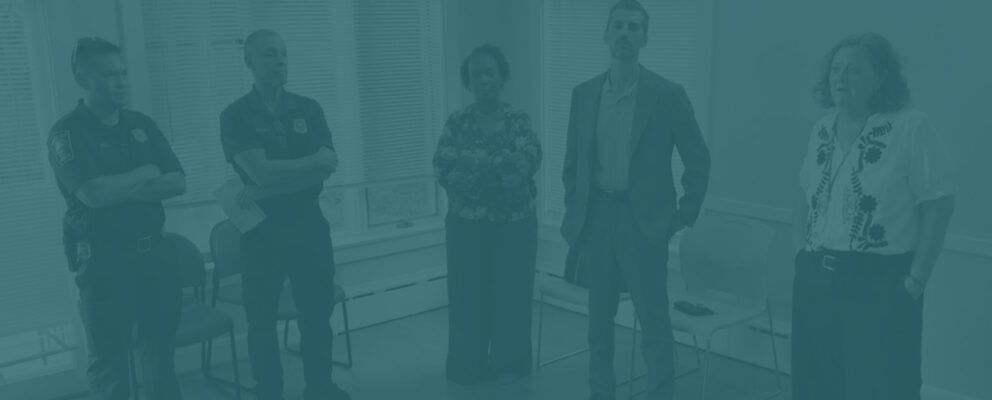
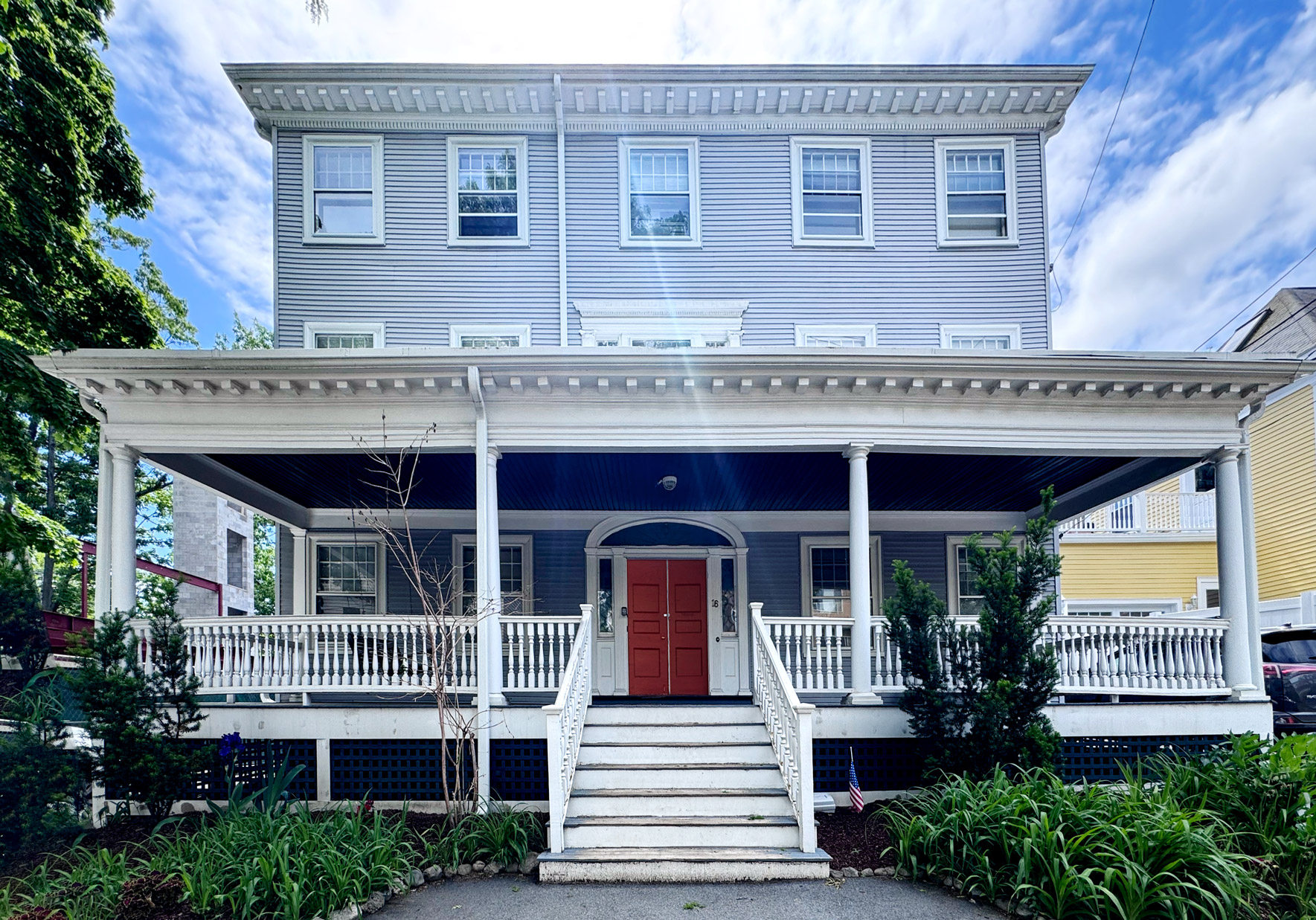
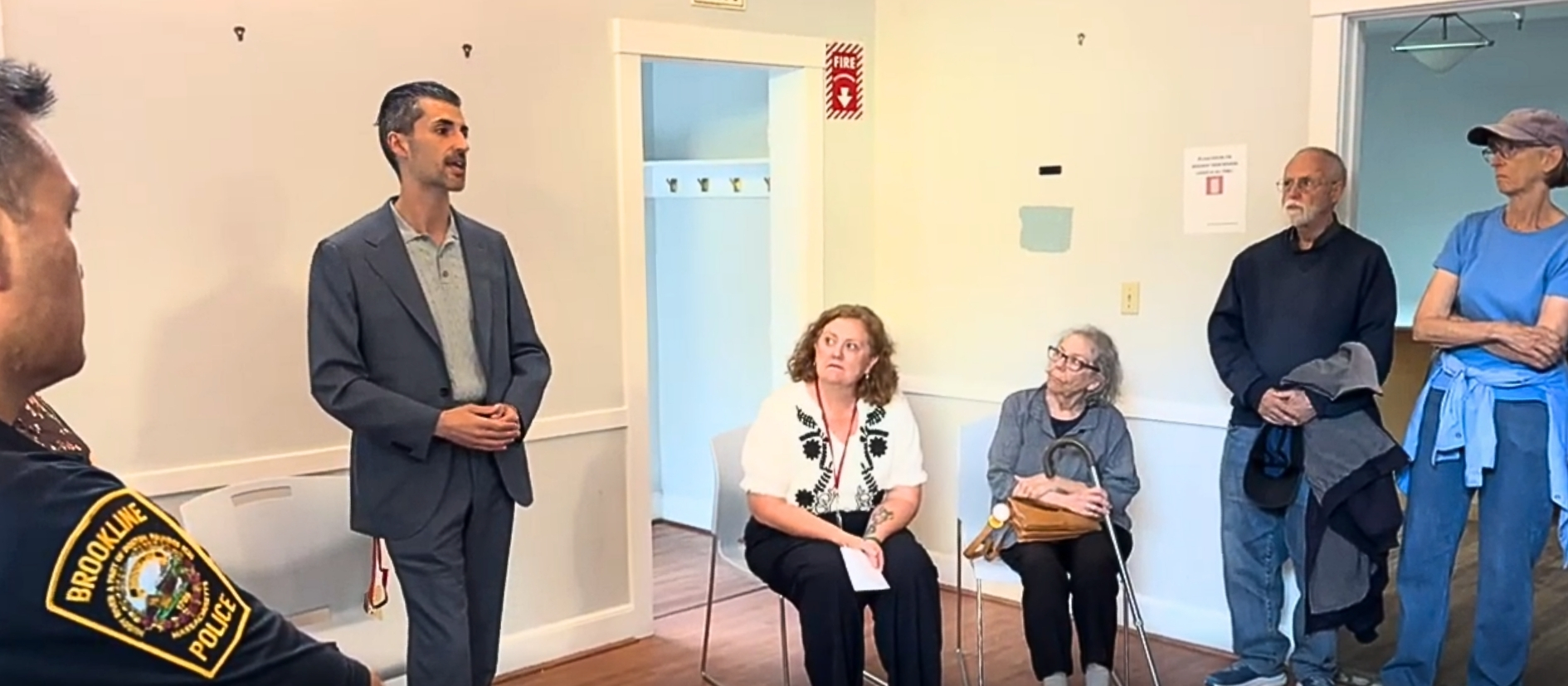
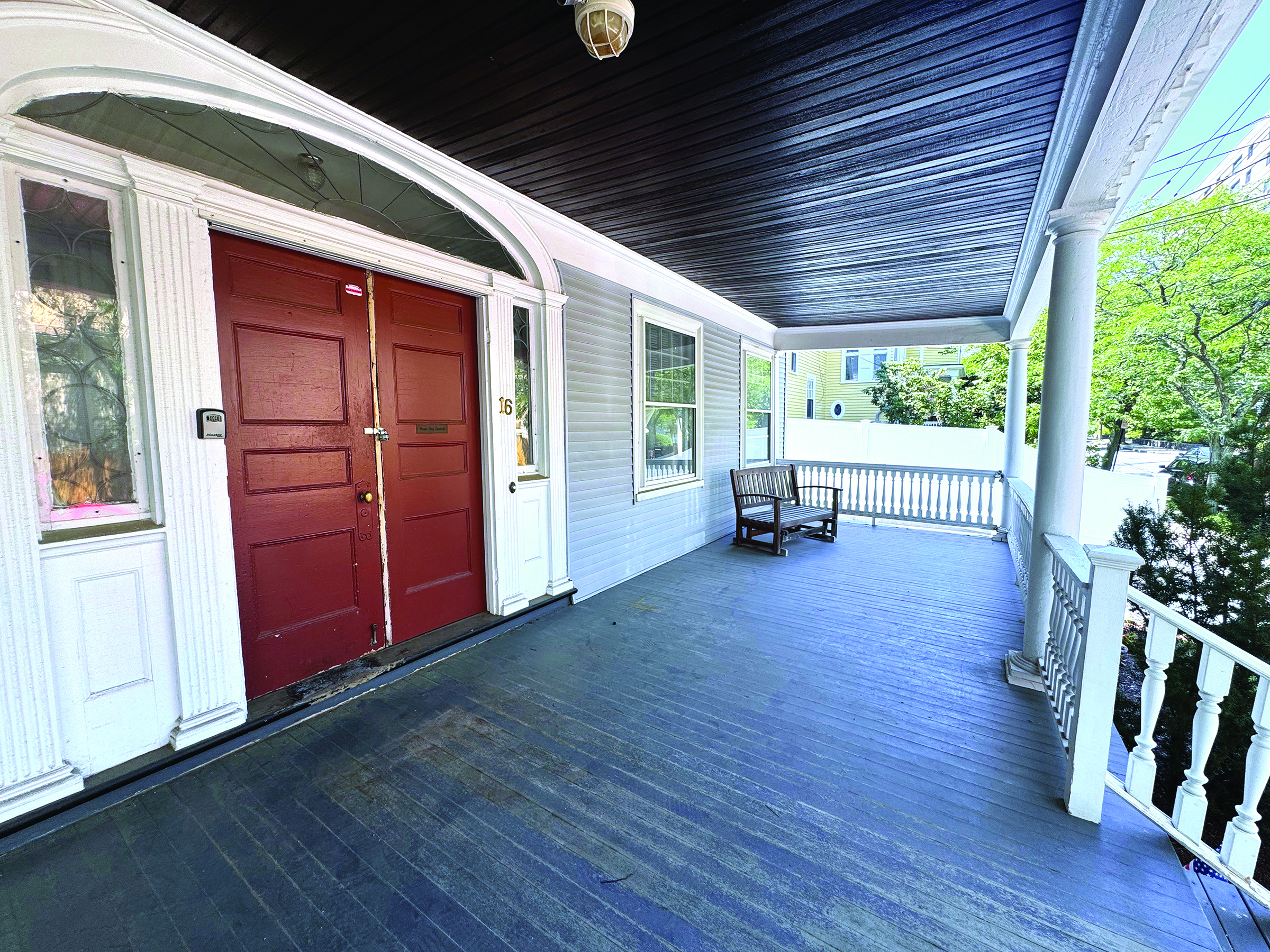
BROOKLINE, MA — Building strong community partnerships begins with transparent conversations and open doors. Following the acquisition of the historic property at 16 Williams Street in May 2026, Victory Programs held a neighborhood open house to share renovation plans, introduce program leadership, and address community questions before physical construction begins.
Open House Recap: Rooted in Community & Care
During the open house, Victory Programs President and CEO Sarah Porter outlined the organization’s overarching mission and 50-year focus on the intersection of homelessness, substance use recovery, and chronic health management. Operating 27 programs across Greater Boston with approximately 350 staff members, 16 Williams Street represents Victory Programs’ first residential initiative in Brookline.
“What we really specialize in is the intersection of addiction, homelessness, and chronic health conditions—understanding that people very rarely need services from a place like Victory Programs because only one thing went wrong in their lives,” Porter emphasized, highlighting the organization’s dedication to transparent engagement with municipal leaders, direct abutters, and local civic groups. “What we try and do is create safe spaces and communities where people can access what they need to put their lives where they want them to be, which is healthy, happy, stable, housed. We all sort of want the same things for ourselves and our loved ones.”
The 16 Williams Family Home will expand Victory Programs’ evidence-based Portis Family Home model, specifically supporting single parents—primarily mothers—in sustained recovery who are reuniting with their young children. Residents will live in the home for up to two years (averaging 1.3 years). During their stay, mothers will work closely with an on-site team of dedicated staff around recovery, health, parenting, and family stabilization.
Importantly, the program places a heavy emphasis on personal self-sufficiency, requiring residents to undergo education and workforce training or maintain employment in the surrounding area while preparing to transition into permanent housing. Nationally and locally, this model delivers an unparalleled track record: well over 90% of families completing Victory Programs’ transitional housing maintain long-term housing stability.
Capital Improvement Plans and Funding
To ensure complete clarity around project financing and development, Chief Operating Officer Alex Train and CEO Sarah Porter detailed the capital structure supporting 16 Williams Street.
Victory Programs acquired the three-story building in May 2026 using a $3.3 million private acquisition bridge loan from the Property and Casualty Initiative (PCI). Repayment of the acquisition loan is supported by secured public grants, including a $2.5 million HUD Community Project Funding earmark and a $200,000 MassHousing grant.
To fund the estimated $1 million interior renovation, Victory Programs is applying for standard competitive capital housing grants, including local funding from Brookline’s Affordable Housing Trust Fund (Housing Advisory Board) and private philanthropy. As part of the municipal permitting process, Victory Programs will seek a Lodging House License from the Brookline Select Board in late 2026.
Additionally, Victory Programs has voluntarily executed a 25% Payment in Lieu of Taxes (PILOT) agreement with the Town of Brookline and enacted a permanent Affordable Housing Restriction, ensuring the property remains a tax-contributing, deed-restricted community asset in perpetuity.
Preliminary Scope of Renovations & Phased Timeline
Chief Operating Officer Alex Train confirmed that ongoing supportive housing operations will be funded in partnership with the Massachusetts Department of Public Health (DPH). “This is a program that will be funded by the Department of Public Health,” Train noted. “We’re working closely with the Commonwealth on operational implementation as we scale our evidence-based model of family stability to meet the current housing crisis.”
The preliminary scope of interior renovations focuses on trauma-informed design, life-safety modernizations, and ADA accessibility. Planned improvements include:
- Life-Safety & Building Systems: Full installation of updated fire suppression and alarm systems, modernized emergency egresses, electrical and mechanical system upgrades, and comprehensive lead paint abatement.
- ADA Accessibility Upgrades: Consolidating first-floor spaces to create two fully ADA-accessible bedrooms, an accessible staff office, ADA-compliant restrooms, kitchen facilities, and laundry areas.
- Family & Community Spaces: Refurbishing common living and dining areas, staff offices, and landscaped outdoor play spaces designed to support early childhood development and family connection.
The project is moving forward along a carefully phased timeline:
- Summer–Fall 2026 (Design & Engagement): Finalizing schematic designs, hosting community open houses, and applying for a Lodging House License with the Brookline Select Board.
- Mid-2027 (Interior Renovation): Commencing interior construction and physical improvements while maintaining the historic character of the building exterior.
- Late 2027 to Early 2028 (Grand Opening): Completing construction and welcoming resident families into their new home.
Future Operating Practices & Neighbor Commitments
To ensure seamless integration into the Coolidge Corner neighborhood, Victory Programs will establish clear operating practices centered on safety, responsiveness, and community partnership once the site opens.
When operational, the property will feature round-the-clock on-site professional staffing under the leadership of Housing Director Tammy Simmons-Dixon. Neighbors will be provided with a direct, 24/7 neighborhood liaison telephone number and email address, allowing abutters to reach an on-duty program supervisor in real time regarding any operational questions or immediate concerns.
Site security will be maintained through controlled access procedures, with entry restricted to authorized personnel, resident families, and pre-vetted guests (such as grandparents or health service providers) who must present government ID and sign in. Non-resident spouses or unvetted partners will not be permitted on site.
Addressing neighborhood operational considerations, the property is designed to minimize parking impacts on surrounding streets, with driveway spaces dedicated to staff and maintenance vehicles. Resident families rely on public transportation, and staff are incentivized to utilize MBTA transit through subsidized employee passes. Deliveries and vendor visits will be coordinated during regular business hours to prevent street congestion or neighborhood disturbance.
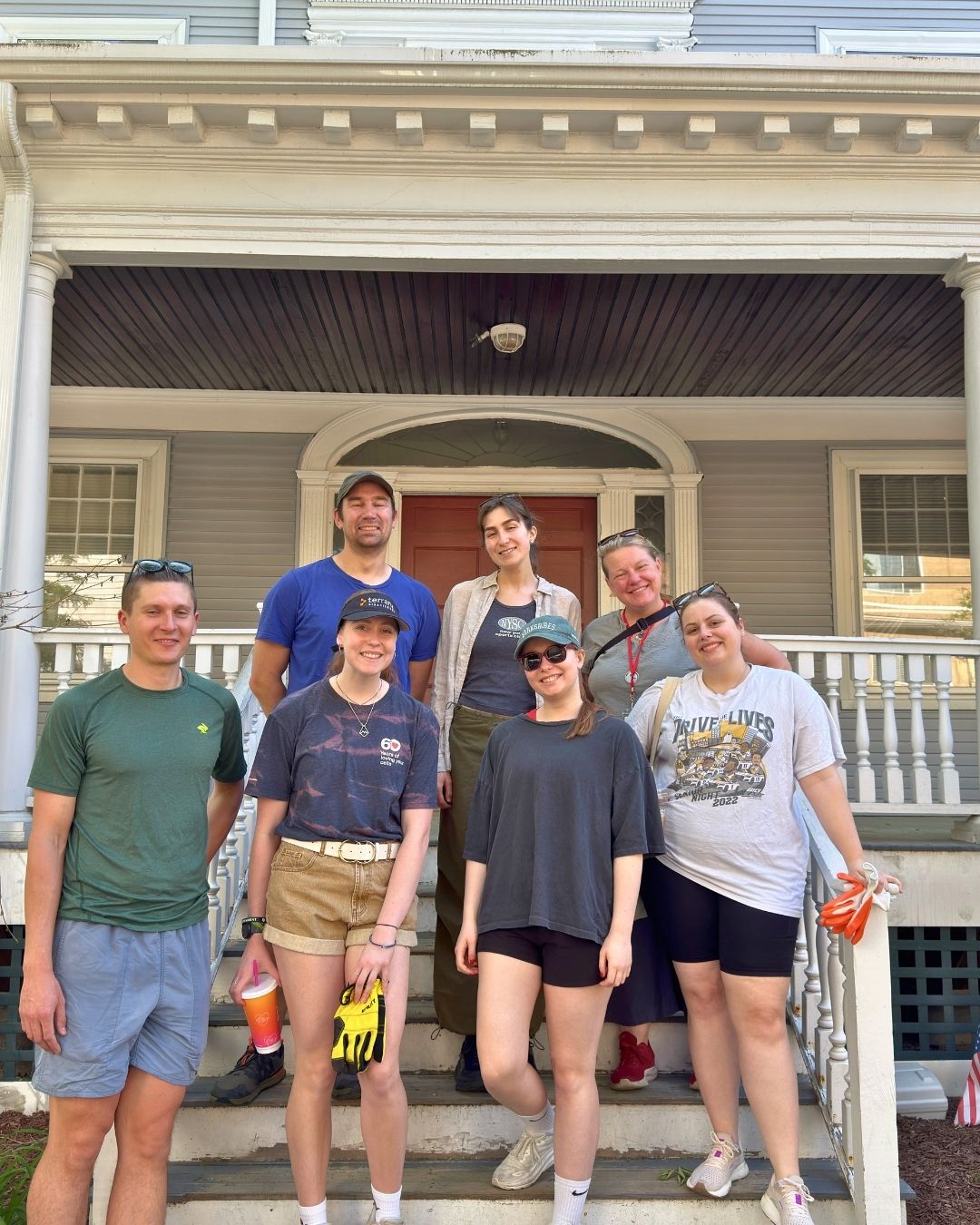
Facilities management will oversee ongoing property maintenance, including routine trash removal, proactive rodent and pest remediation, and landscaping. We actively encourage community involvement and regularly partner with local organizations and businesses—including groups like Life Science Cares—on hands-on service projects. Volunteers assist with seasonal landscaping and outdoor projects, directly improving the care, appearance, and green spaces of the property while creating meaningful opportunities for local partners to connect directly with our site.
Beyond on-site projects, local businesses, civic groups, and neighbors can also engage through organized drive sponsorships—such as hosting winter coat drives, collecting hygiene essentials, or supporting our seasonal holiday initiatives. Together, these efforts help ensure 16 Williams Street remains a beautiful, well-maintained asset while allowing Victory Programs to be an active, accountable, and supportive neighbor in Brookline.
For project updates, FAQs, or to connect with the project team, visit vpi.org/16williams.