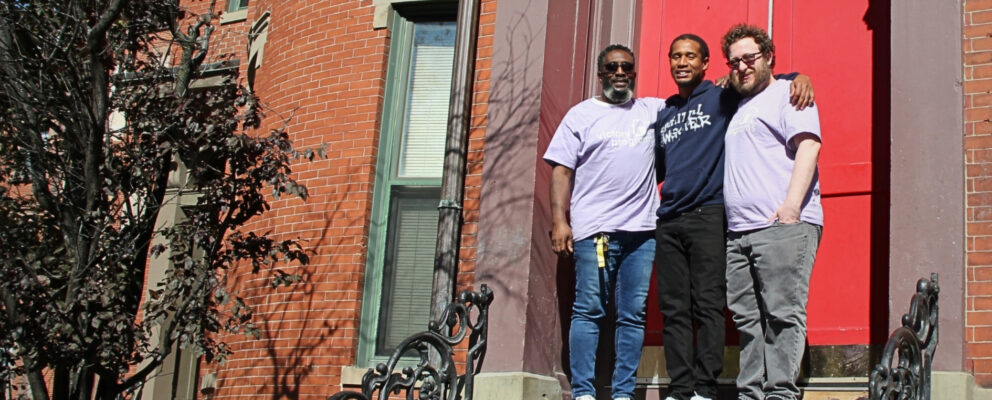
At Victory Programs, recovery is not a test to be passed or failed—it is a personal journey of reclaiming dignity, community, and purpose. Few journeys embody that transformation quite like Alex Philogene’s.
Before coming to Victory Programs, Alex spent eight grueling years unhoused on the streets of downtown Boston, trapped in severe substance use and isolation.
“Eighteen months ago, I had a crack pipe in my hand downtown,” Alex recalls. “I hadn’t showered in a week, didn’t know where I was going to sleep, and didn’t have a phone or any hope. Today, I wake up every morning getting better because I’m working my program. I’m not where I wanted to be yet, but I feel like I’m where I’m supposed to be in my life.”
At 30 years old, Alex is celebrating 18 months of continuous sobriety. He works demolition jobs, volunteers weekly at the Jamaica Plain Recovery Center (JPRC), and facilitates a 12-week peer recovery curriculum he built for fellow residents at Victory House.
Finding Sanctuary at the Red Door
Born in Haiti and raised in Dorchester’s Fields Corner, Alex graduated high school with plans to study construction management at the Benjamin Franklin Institute. Addiction disrupted those goals, drawing him into eight years of living unhoused.
“My plan was to go to school, earn a degree, have a family, and help my family,” Alex explains. “I never planned to be stuck on the street for eight years. But once I started using, next thing I knew, I was powerless.”
Knowing he needed a turning point to survive, Alex worked with his defense attorney to enter structured treatment. On March 9, after completing acute and clinical stabilization, he arrived at Victory Programs’ flagship recovery home, Victory House in the South End.
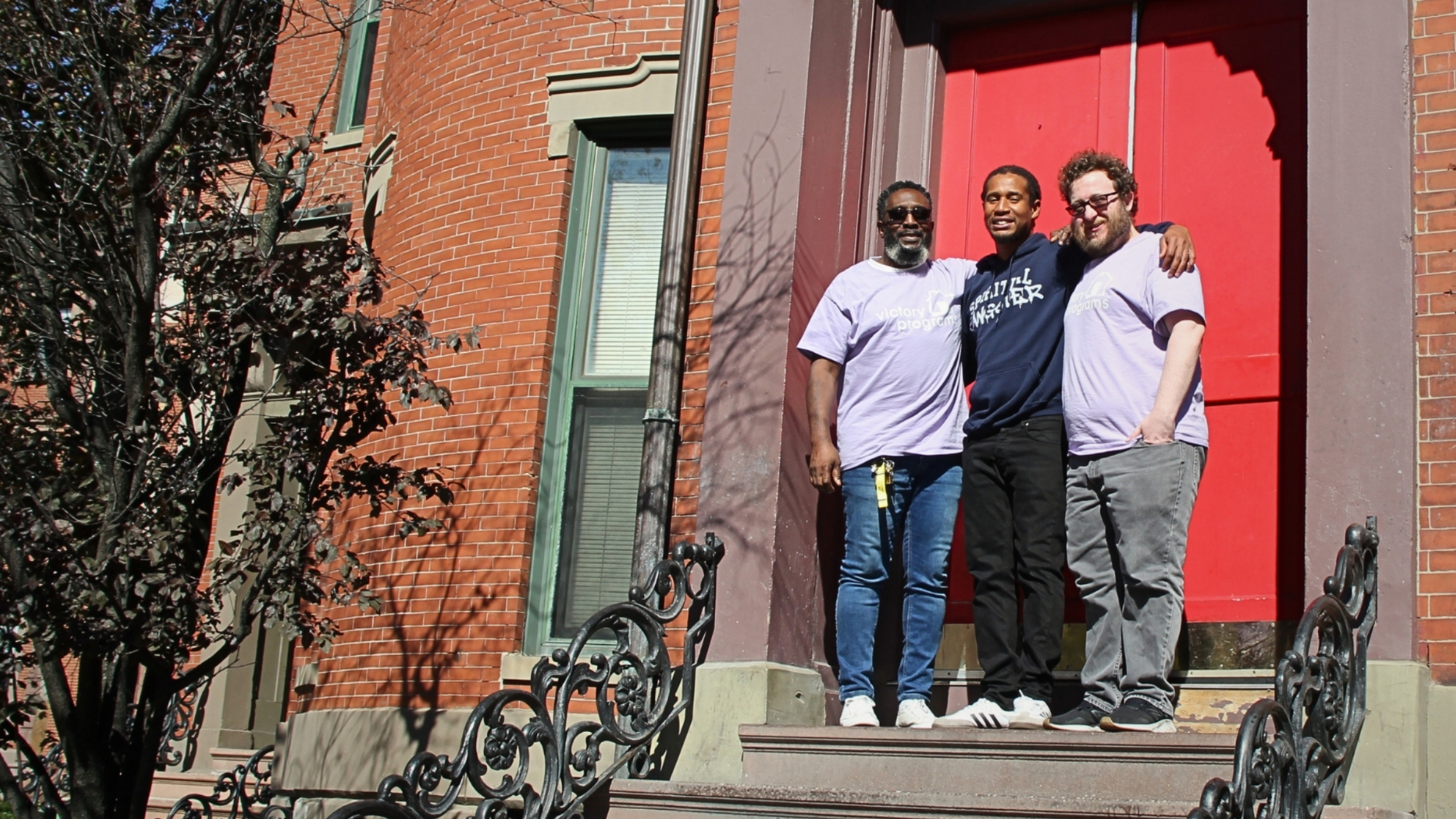
At Victory House, autonomy wasn’t simply handed over on day one—it was something Alex had to work for and earn step by step through accountability.
“Freedom—I have to be free to be where I am today,” he reflects. “As I worked my program, I earned the freedom to go out to my own meetings and see my family, and I use those freedoms for positive things. Because I use them for positive things, I earn more freedom, and I’m not going to jail no more.”
The JPRC Connection: From Idea to Curriculum
Alex’s consistency stood out to Clinical Supervisor Marie Hutchings, M.A. Marie—who first joined Victory Programs as a Lesley University Victory Scholar intern before rising to Clinical Supervisor—participated in Clinical Director Devin Stevenson’s supervisor training series and recognized an opportunity to bring those coaching models directly into peer mentorship.
“Alex is taking ownership of his recovery and building community in our house and outside,” Marie shares. “He tries to bolster up other peers and encourage them to engage in the work. Seeing residents step up into leadership like that is one of the most rewarding parts of what we do here.”
Alex found the space to turn his ideas into action through another agency program: the Jamaica Plain Recovery Center. During his volunteer shifts at the front desk, welcoming members and helping around the space, Alex used the center’s computers during down time to type out his thoughts. His dedication there did not go unnoticed; JPRC Peer Volunteer Specialist Kiera Sixsmith publicly celebrated him as Volunteer of the Month, sharing: “Shout out to our Volunteer of the Month for always showing up for his recovery, be proud of yourself.”
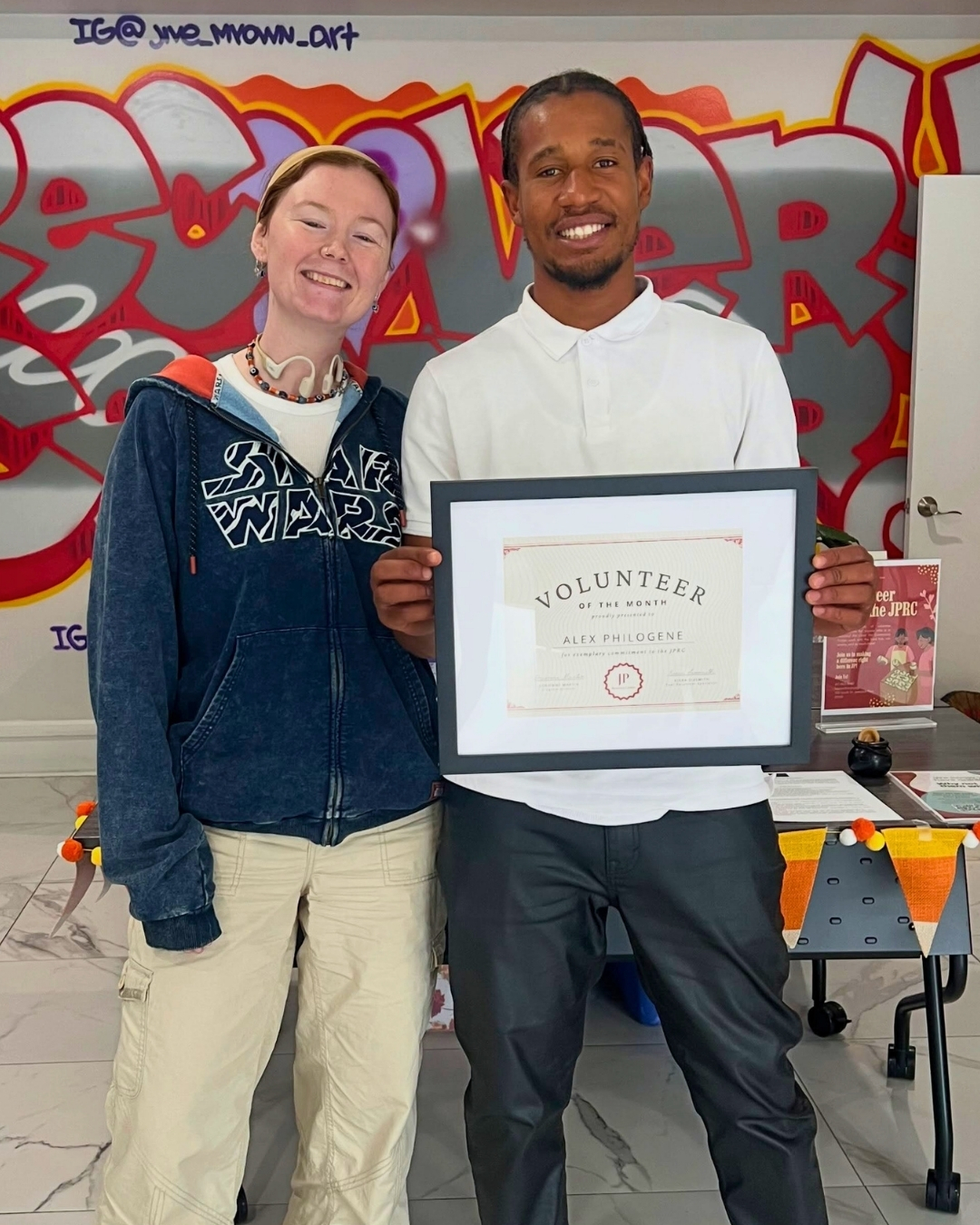
Working between his hours at JPRC and supervisory coaching sessions with Marie, Alex shaped those notes into a full 12-week peer curriculum. When he brought the plan to a Wednesday staff meeting, the clinical team added it to the house schedule on Friday mornings.
Every topic in the curriculum connects directly to the lessons that helped Alex survive and rebuild. He opens the 12 weeks with “Powerless,” reflecting that admitting powerlessness was the only way he could break the cycle and move forward. From there, he introduces “Higher Power,” which for Alex is rooted in a daily sense of spiritual grounding, purpose, and gratitude that he is alive and sober today.
Alex weaves those principles into actionable life skills: building steady daily routines, finding physical outlets through exercise, managing triggers, and setting firm boundaries with people tied to past active use. To keep his peers invested, he tracks attendance and active listening, coordinating with staff for modest group rewards like pizza nights or movie passes.
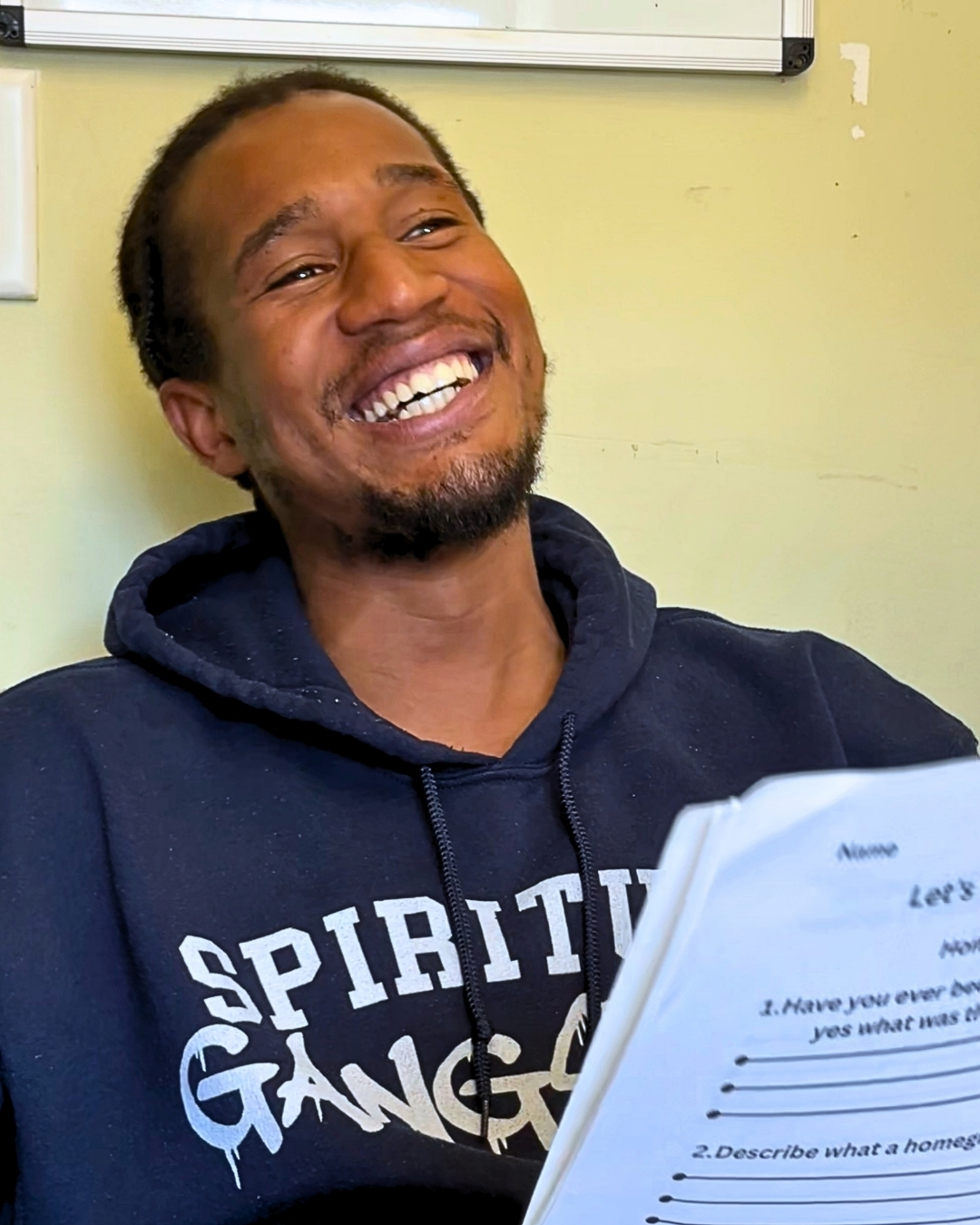
“I always tell them: ‘Just remember I’m a client just like you guys, and anything I’m doing, you guys can do it too,’” Alex says. “At the end, I always ask for comments, concerns, or critiques so we can keep making it better together.”
Redefining Strength and Family
Inside Victory House, Alex also leans on peer rituals, especially the morning Gratitude Circle led by senior resident Spike.
During a conversation after one of those morning meetings, Spike noted the difference in Alex: “We just deal with life struggles, but it’s better sober. The difference that your family sees, that we see—especially with your mother. I see that joy. She knows that you’re doing good.”
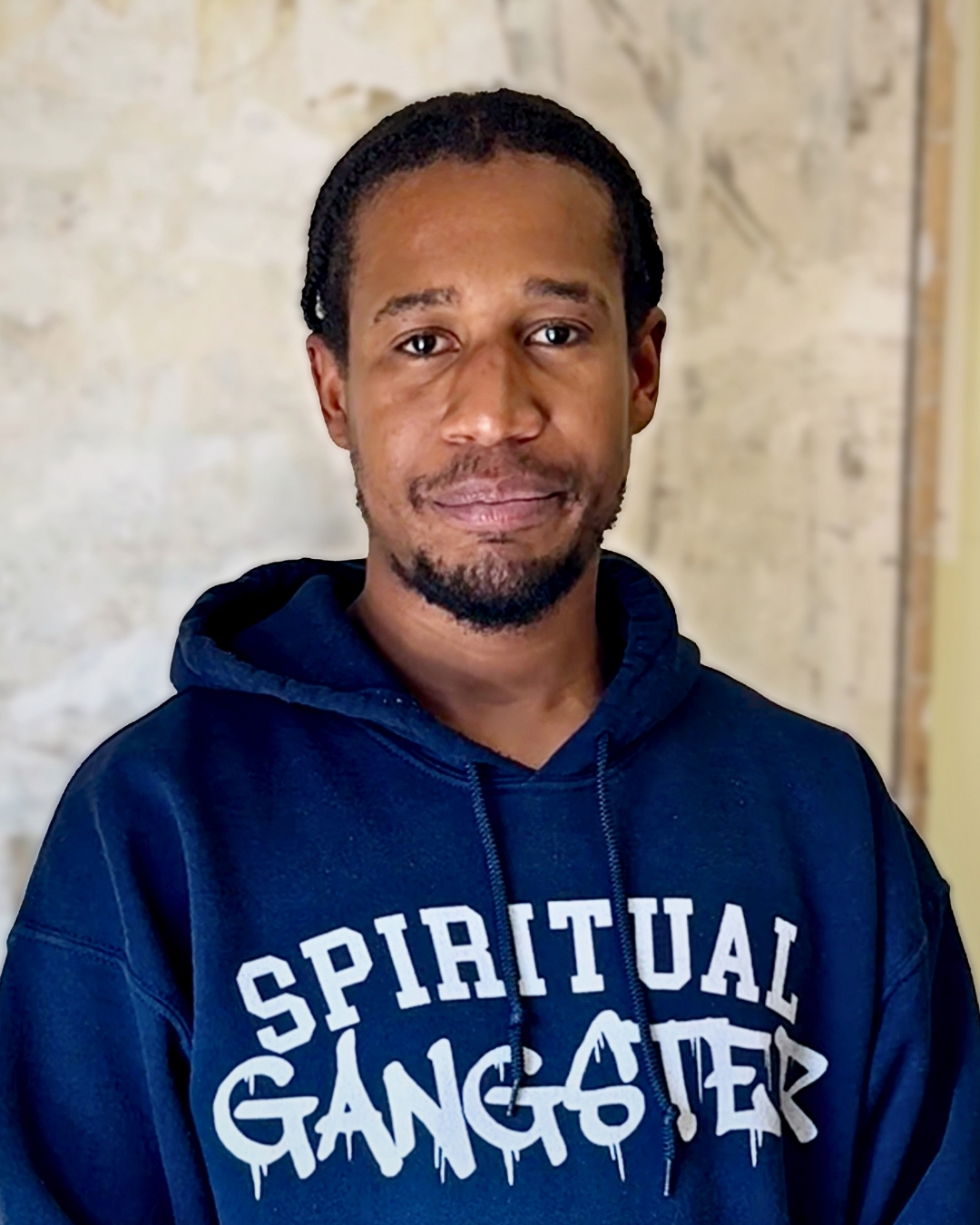
That sense of accountability and family pride showed up on a recent afternoon when Alex was wearing a sweatshirt that read Spiritual Gangster. When asked what the phrase meant to him, his answer cut straight to the heart of how his values have shifted:
“I used to think a ‘gangster’ was somebody out hurting people,” Alex says. “To me now, a gangster is somebody that’s paying their bills, making sure their children are good, checking on their family. Going to work every day, taking care of your responsibilities—that’s a tough person. That is gangster to me.”
That personal growth was also highlighted by Chief Development Officer Shauna Helton during her remarks at the agency’s annual Health, Hope & Housing event:
“He told me how much Victory has helped him get his life together, and how he comes here to find sanctuary, clear his mind, feel grateful, and be with community… to know that you are part of something that makes a real difference in people’s lives.”
Moving Forward
Today, Alex keeps his focus grounded in daily routines. He works demolition jobs, earning an honest living after eight years without steady employment, continues his weekly shifts at JPRC, and shares original poetry at Friday night community open mics.
He is currently working toward enrolling in classes to become a Certified Recovery Coach, with the goal of building a permanent career in human services. As a native Haitian Creole speaker, Alex hopes to use his bilingual background to support Creole-speaking individuals navigating addiction, ensuring that language is never a barrier to compassionate, culturally affirming care.
“I’m an alcoholic and addict, and I have to stay in the field in order to stay sober,” Alex says. “Victory Programs gave me a second chance, and I want to leave something behind so others know that change is real.”