
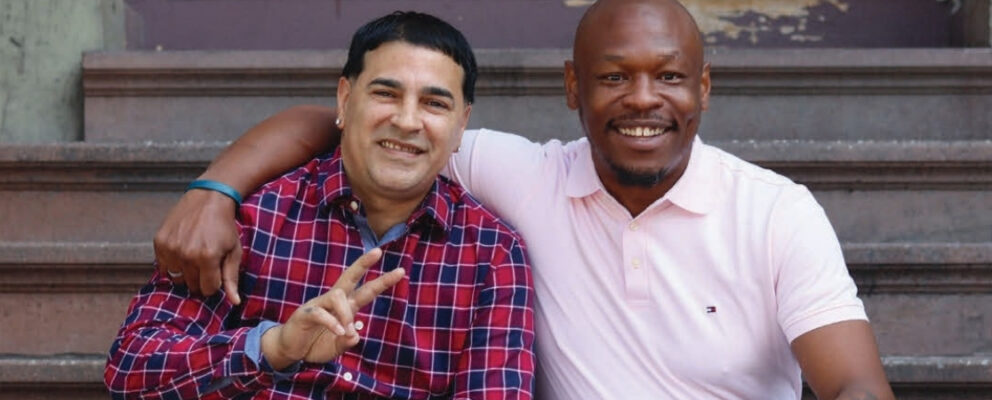
When Rollie and Alex first walked through the doors of Victory House, neither expected to find an unlikely friend who would play a key role in their recovery. Rollie, an ambitious chef with a big personality, and Alex, a quiet barber working hard for a fresh start, come from different worlds. Yet inside the walls of our men’s recovery home, they discovered common ground: a determination to heal, a longing to belong, and a shared commitment to live life on life’s terms.
Born in Puerto Rico, Alex came to Massachusetts with his family at the age of ten. Uprooting his life and moving to a place so different from what he knew, Alex struggled to fit in. “I didn’t belong to any group,” he explained. “I just felt out of place.” To cope, he began acting out, getting into fights, and eventually, using substances. “I started hanging out with the wrong people, got into weed at 14, cocaine at 16, and then heroin. That’s when everything went down the drain.”
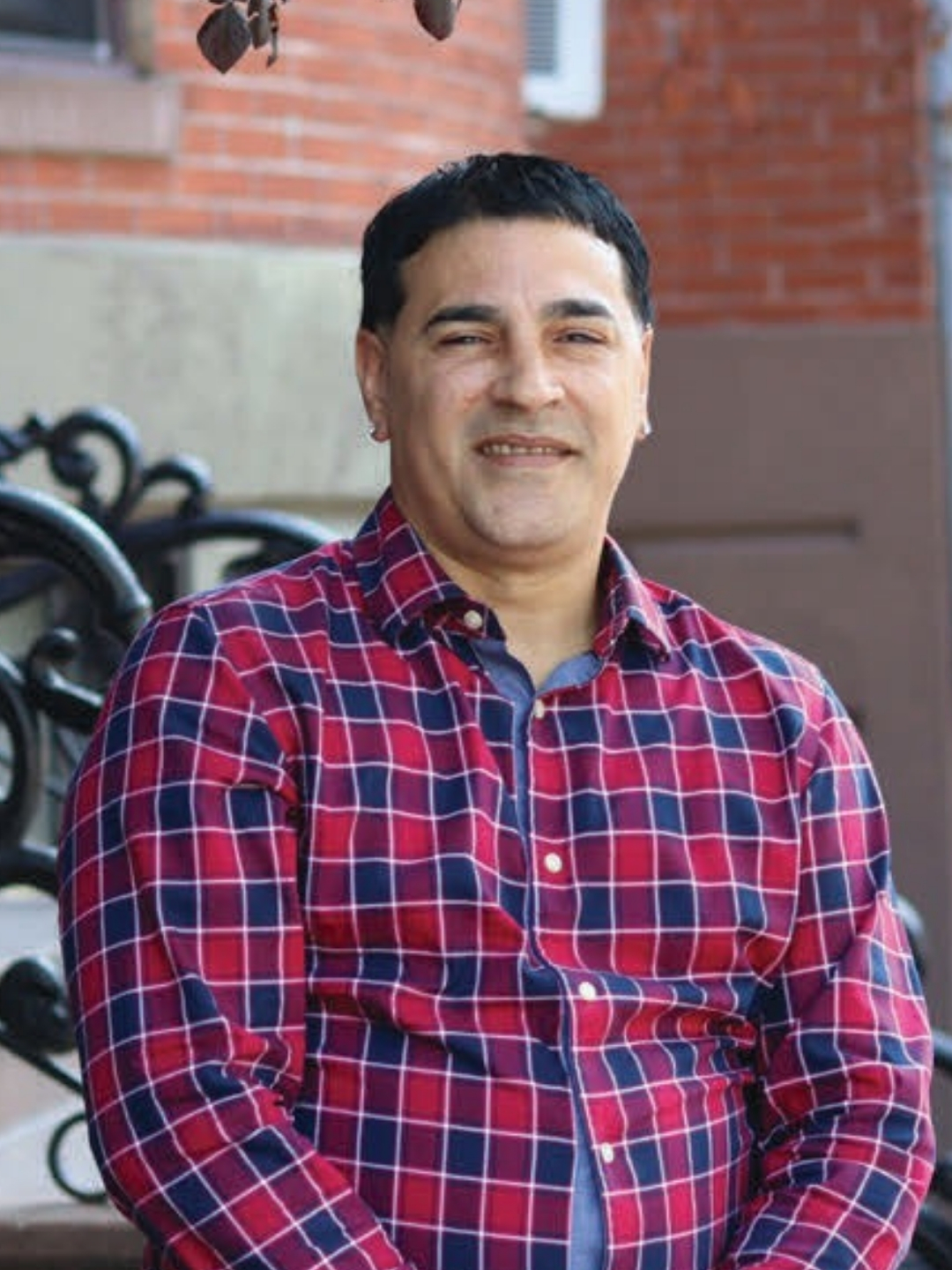
“You come in alone, but you don’t stay alone.”
–Alex
Addiction followed Alex into adulthood, shaping his relationships and family life. He spent years in and out of treatment, stubbornly trying to work through things his own way while pushing out the people who loved him most. “I had so much weight on me. My divorce, trying to be there for my children, dealing with losing my grandfather,” he explained. “I just gave up. My support system was there, but I never used it.”
This time around, Alex is approaching recovery differently. “My way never worked,” he admitted with a laugh. “This program has done everything for me…Resources, support, guidance, but it’s still up to the person. You’ve got to put in the work, and the staff here helped me see that I can actually do it and stick with it.” Today, Alex is pursuing his GED, cutting hair, and building toward stable housing. “It’s been one positive thing after another,” he smiled.
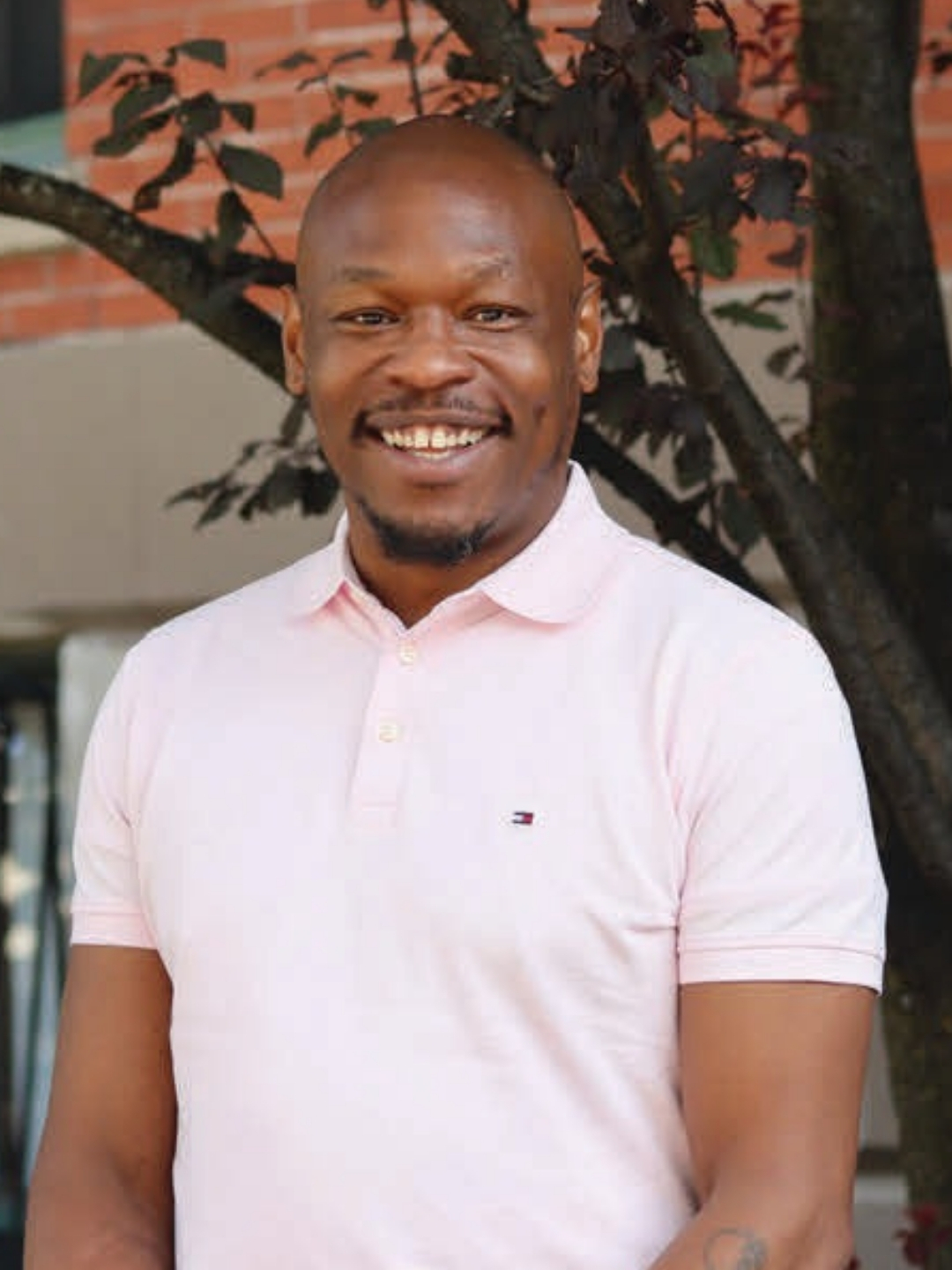
“You come in alone, but you don’t stay alone.”
–Rollie
Adopted into an abusive home, Rollie always sensed he belonged somewhere else. Books became his refuge, and he excelled in school, even earning a scholarship to the University of Vermont for psychology. “I wanted to become a psychologist because of all the abuse that I went through,” he explained. “I wanted to understand the minds of people, why they do what they do, especially to children.”
Things began looking up for Rollie, especially when he met his biological family. “When I met my real mom for the first time, it was just a lot of tears,” he reflected. “It was a sad, but happy moment for all of my family.” Yet even there, tensions surfaced, leaving Rollie feeling like an outsider once again. In a bid to connect with his father, he began using substances with him. “I thought it would help us bond a little bit better, which it did for the most part… in the beginning,” Rollie said. “It all started to decline a bit for me when he started giving me heavier stuff. I was hooked.”
After college, unresolved trauma resurfaced, and Rollie’s life spiraled, resulting in his incarceration. “I was devastated,” he recalled. “My career was down the drain. I could never be a psychologist now. But I can say, I was always resilient. Everything I went through, I was still managing to make it through life. So, why couldn’t I stay sober, too?”
Like Alex, Rollie spent years cycling in and out of recovery homes, slipping whenever life became too heavy. “You know, something shifted for me when I came here [to Victory House],” he said. “It’s a five-star house, but that doesn’t matter if you’re not willing to put in the effort. They helped me realize that you put out what you put in.”
Today, Rollie is an executive chef at Boston Children’s Hospital and serves as Food Director for SnapChef. “It’s a different dream, but I’m still doing something that I love,” he grinned. “I’m excited for my future. I met a couple of good friends here, like Alex. He’s quiet and grounded, and I respect that. He’s a really good dude.”
For both men, the search for belonging has finally found a home at Victory House. “You come in alone, but you don’t stay alone,” Alex said. “You find people who understand. Rollie’s one of those people for me.” Rollie added, “The first door opened when I walked through here. And since then, others keep opening. You can’t beat that.”
As they continue their recovery journeys, Rollie and Alex remain hopeful. Not just for stability and sobriety, but for the enduring friendship built within Victory House’s red doors.
